We help restore historic, artistic, landmark, heritage and UNESCO buildings all over the world.
CRAFT TECHNIQUES · SAME FINISHMore than forty years of continuous research in our laboratory give us the experience to prepare all kinds of glazes, apply and fire them, and give new ceramics the same look as the originals.
Ceramic reproduction for the Modernista complex, a UNESCO World Heritage Site.
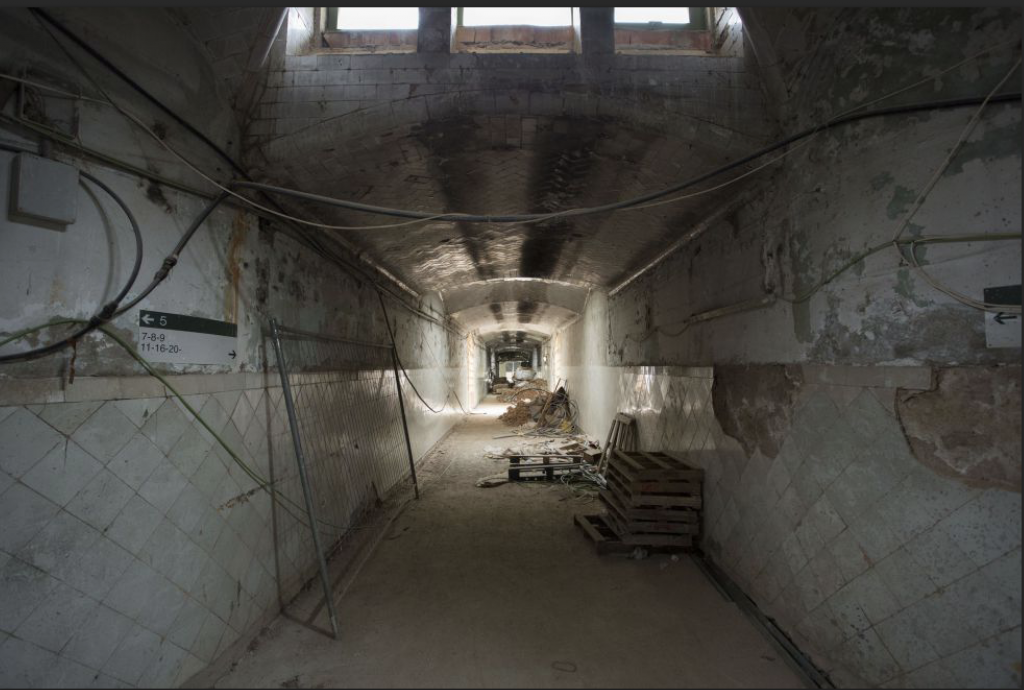
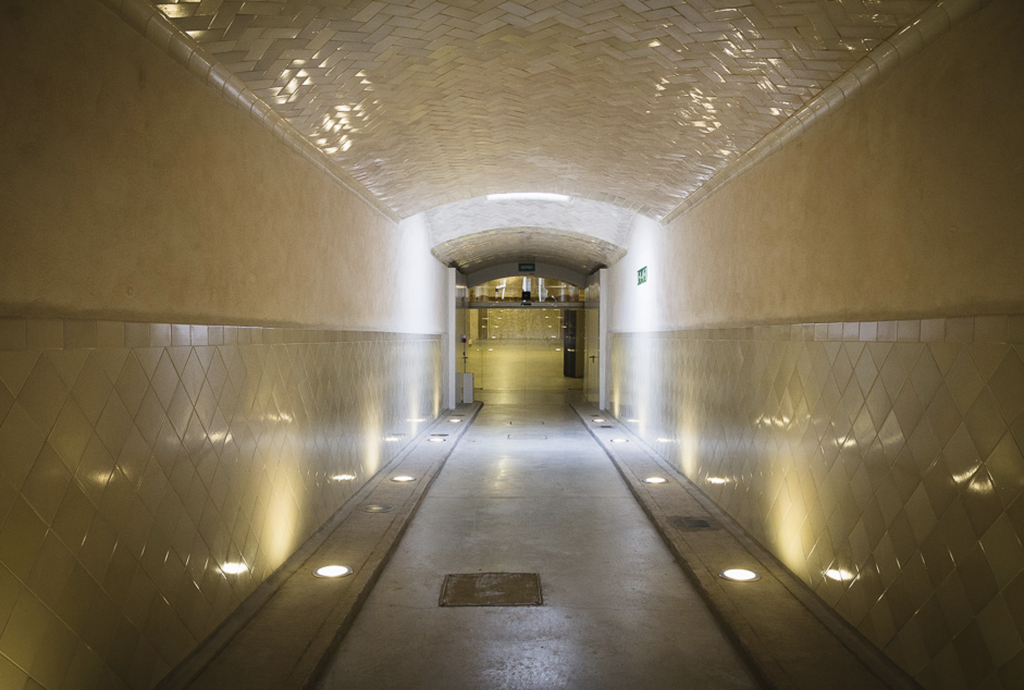
tiles faithfully reproduced
lead time
The Hospital de Sant Pau was designed by Lluís Domènech i Montaner in 1902 as a Modernista complex of separate pavilions surrounded by gardens, so that patients could recover in a setting of beauty and light. It operated as a hospital until 2009 and has been a UNESCO World Heritage Site since 1997.
Reconstruction of the tiled outer domes of Joan Rubió i Bellver’s Modernista pavilion, between Sant Cugat and Barcelona.
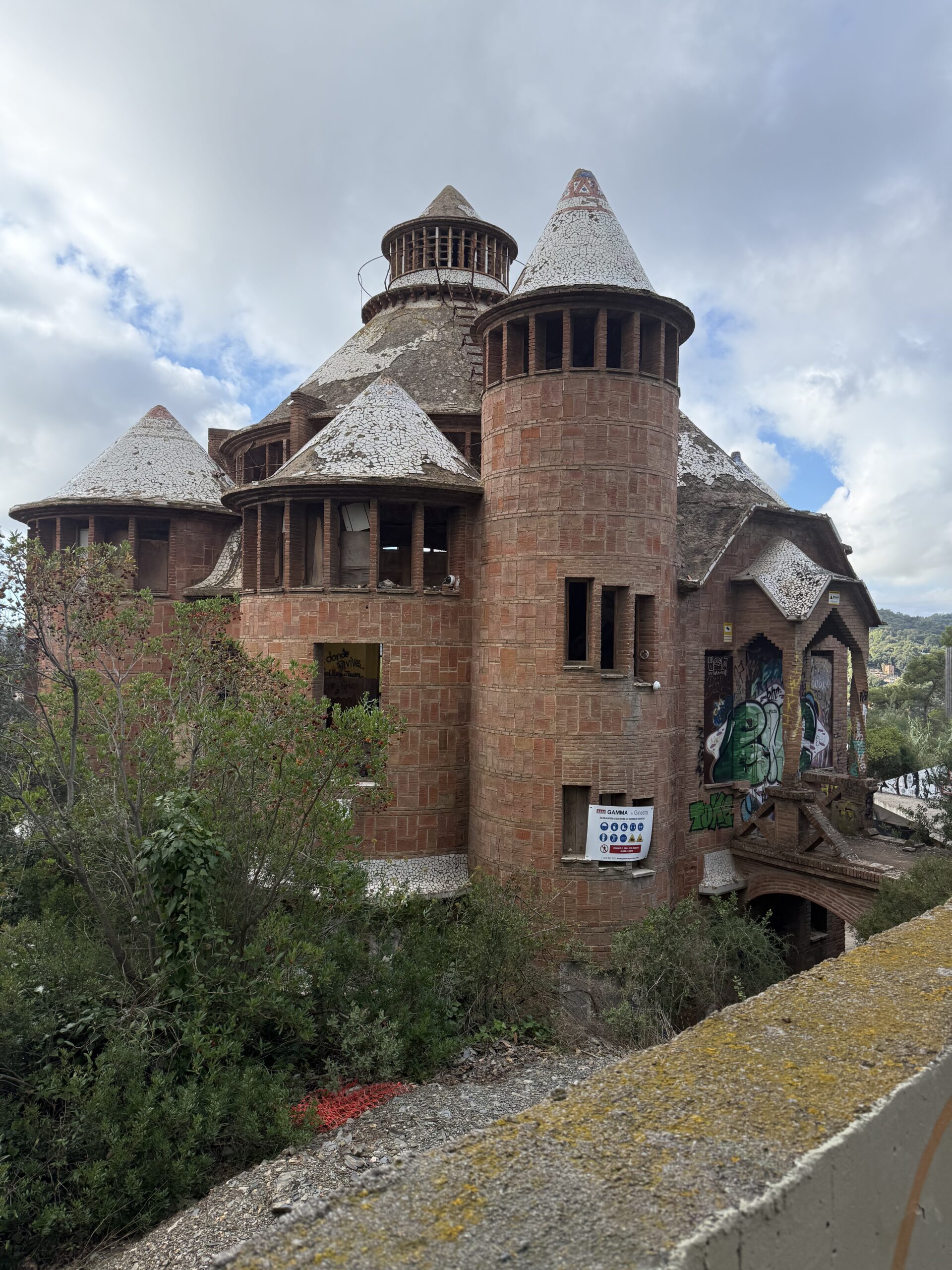
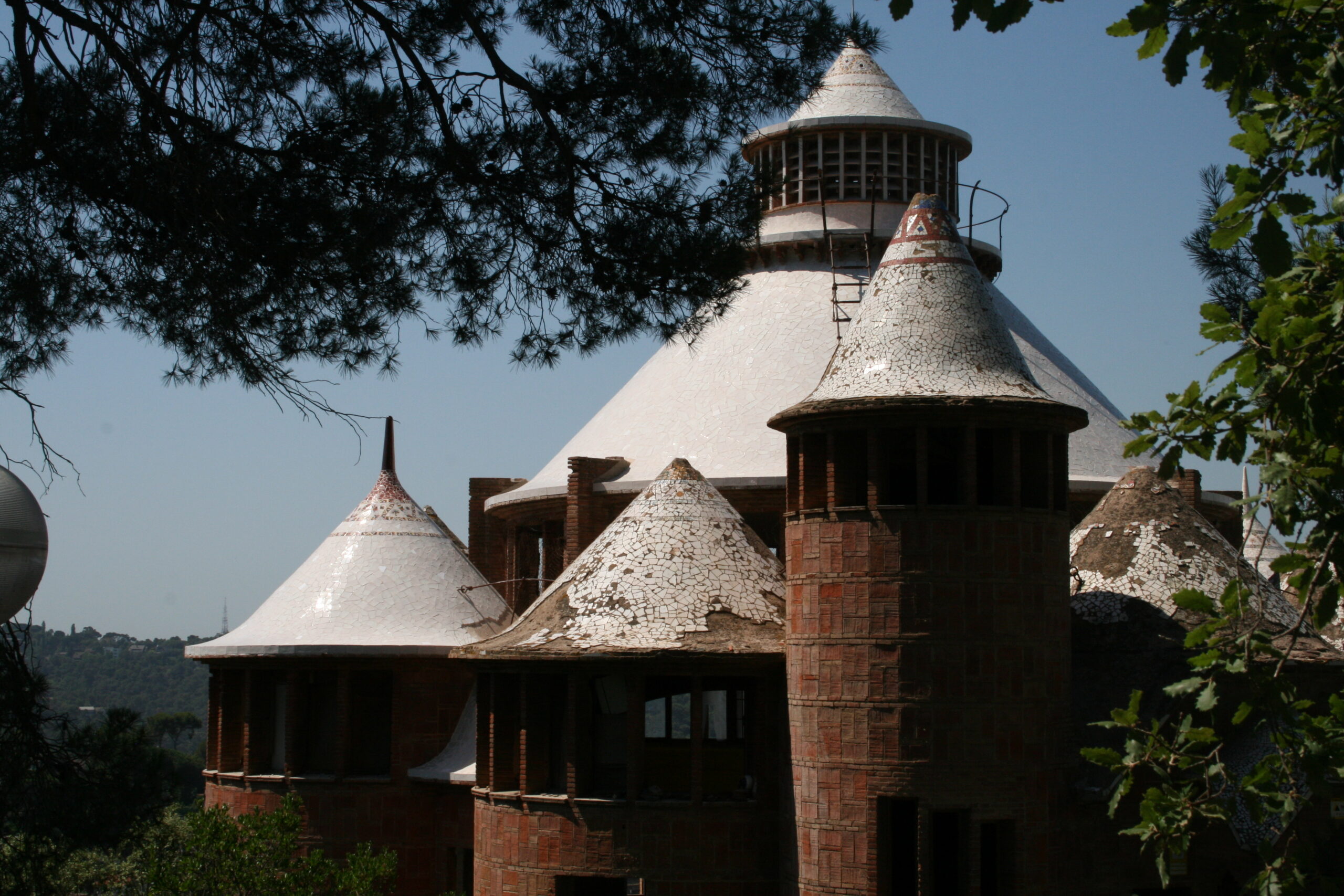
year built, by the architect Joan Rubió i Bellver, a collaborator of Gaudí
in the Can Rectoret district, between Sant Cugat and Barcelona
The tuberculosis sanatorium was a project of Dr Andreu, who also developed the avenue and the Tibidabo Amusement Park. This pavilion, designed by Joan Rubió i Bellver, was to house the sanatorium’s laundry. The main building was demolished after the Civil War and this pavilion is the only part still standing, listed as part of Barcelona’s architectural heritage. After more than a century of neglect, we are restoring its tiled domes one by one.
Reproduction of the rosette tiles and decorative porcelain inserts that adorn the iron structure of Brussels’ former goods station.
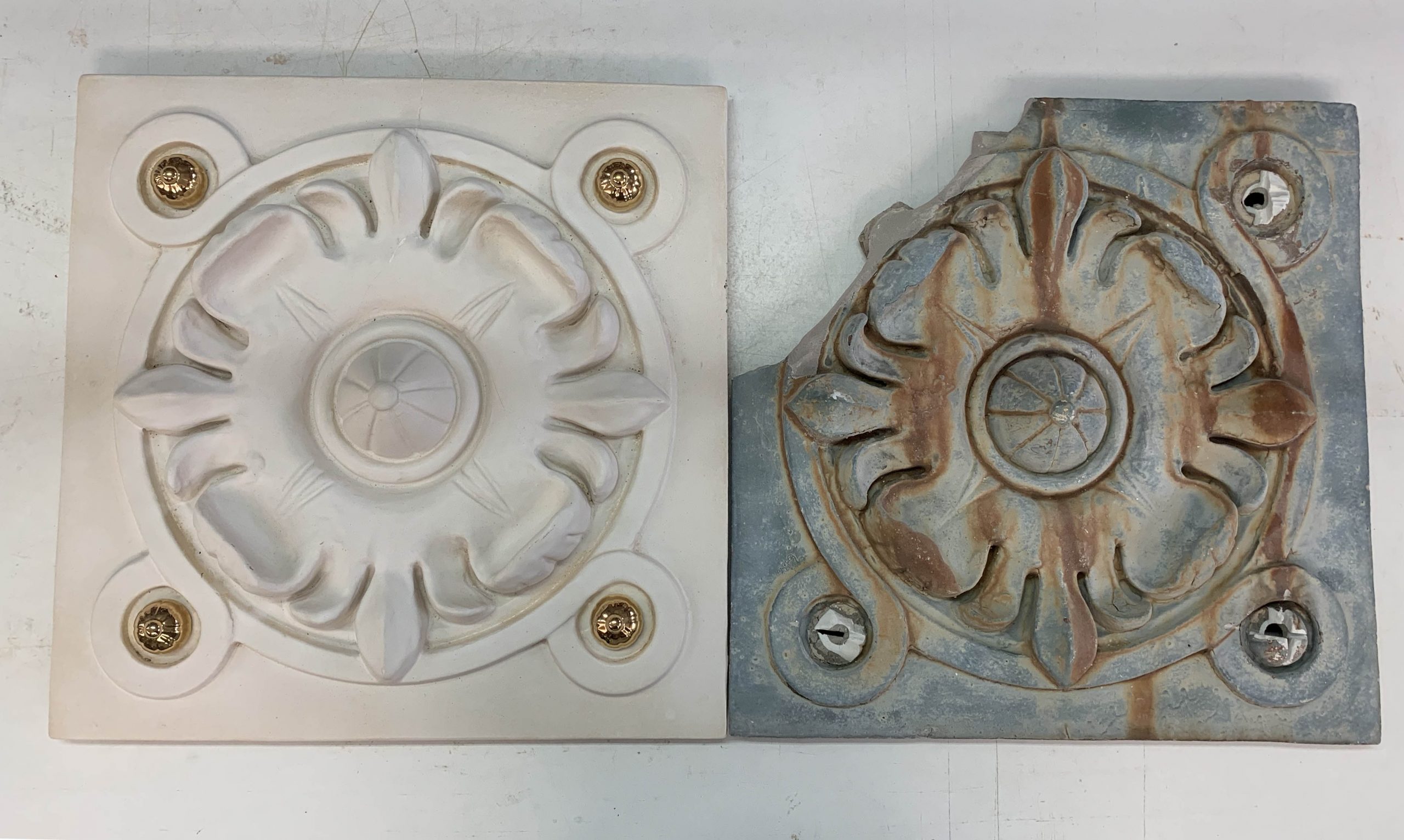
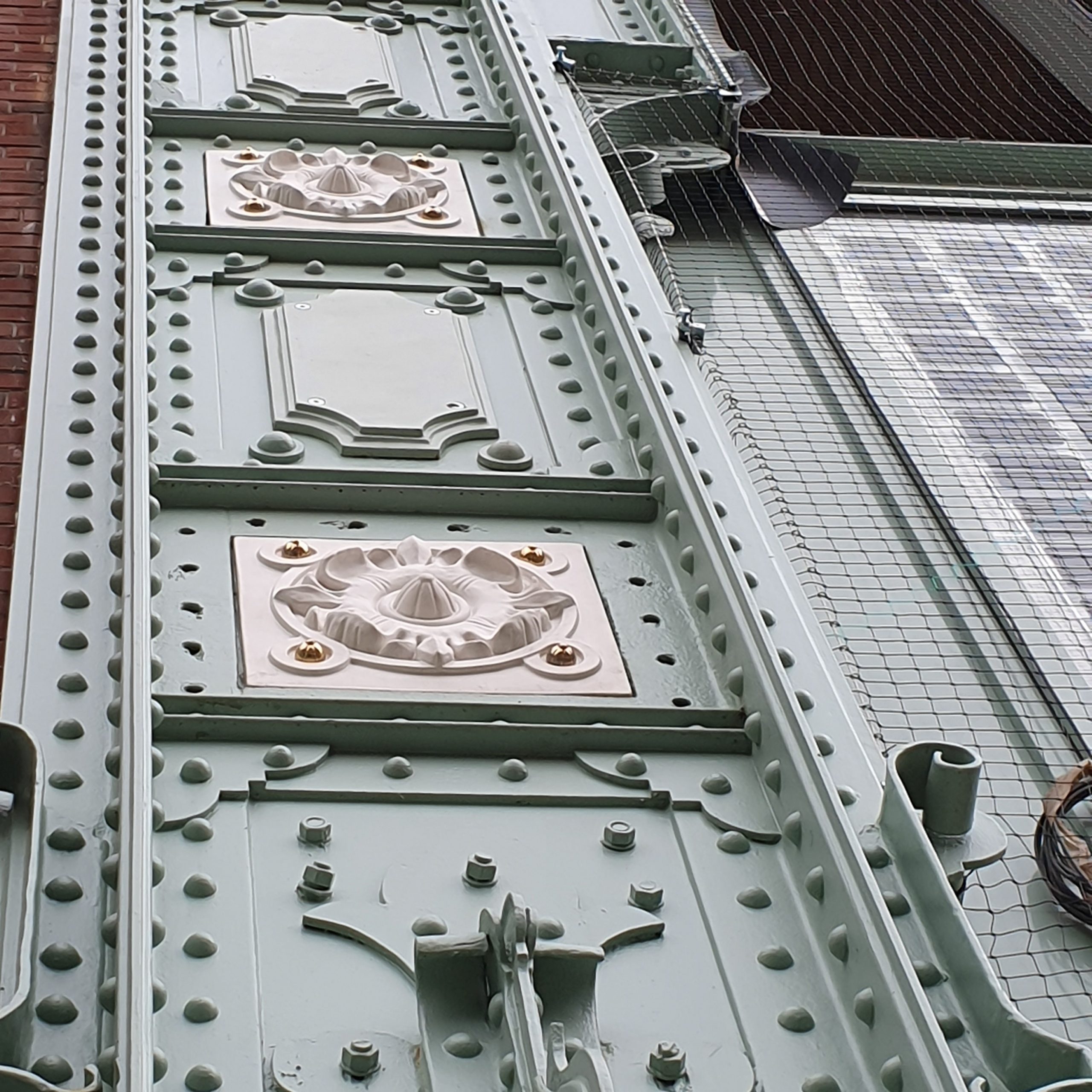
year the Gare Maritime, the former goods station, opened
in the Tour & Taxis district, a former customs and port area
The site takes its name from the Thurn und Taxis family, pioneers of the European postal service, who owned the land. Around 1900, driven by King Leopold II, a new port and a goods station were built outside the city walls; opened in 1907, it became the largest in Europe. The Gare Maritime, its great iron hall, is today one of the most iconic restored industrial spaces in Brussels.
Every project begins before the first piece. We need to understand the story in order to reproduce it.
We study the historical records of the site: the building, its background, its evolution, the construction techniques, the materials used and its uses. Before making a piece, we need to know what it was.
In our laboratory we prepare all kinds of glazes and test firings until we achieve the same look as the original piece. Forty years of experience allow us to find the exact nuance.
We make the pieces, from a single tile to large volumes, using craft techniques that respect the spirit of the original. Our production capacity lets us meet very tight deadlines when needed.
We coordinate with historians, technicians and craftspeople for installation. The tile returns to the building with the same identity as the one that left it centuries ago.
Heritage is the cultural legacy we receive from the past. Preserving it, whether tangible or intangible, archaeological, artistic or historical, is a duty of humankind.
Awareness of the need to preserve it guides how its protection is planned. It takes coordination between historians, technicians and craftspeople. And that is where we come in.
You’ll find more restoration projects in our gallery, or you can set up a specific reproduction for your project.
This website only uses essential technical cookies. We do not use analytics or advertising cookies, and we do not track you. Cookie policy